
Cart 0
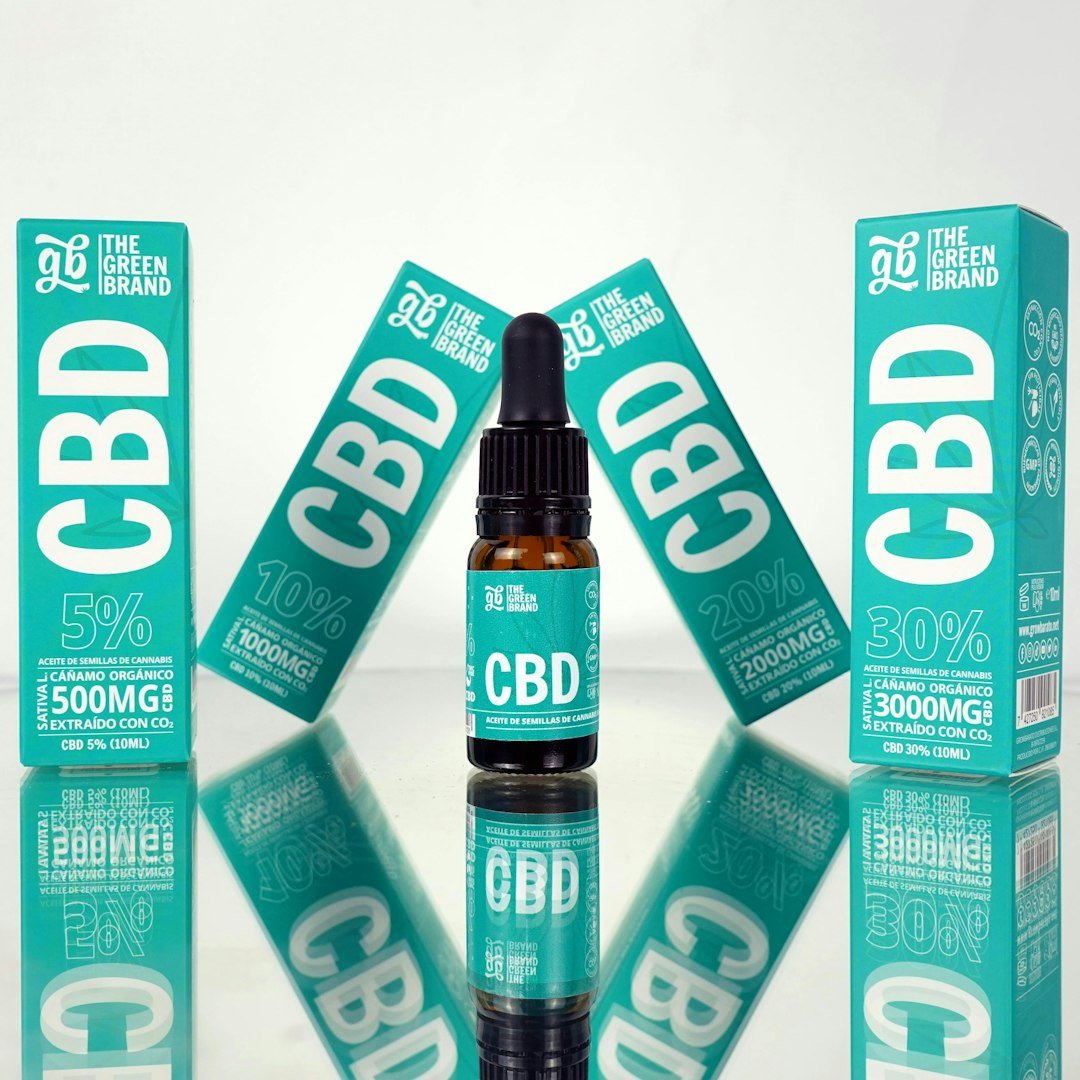

Understanding CBD third party testing is essential for anyone considering CBD products. In this comprehensive guide, we explore why independent testing matters, how the process works, and what consumers should look for when evaluating test results.
What is CBD Third Party Testing?
CBD third party testing involves sending products to independent laboratories that aren’t affiliated with the manufacturer. These facilities perform rigorous analysis to verify potency, safety, and purity. This independent verification is crucial for consumer trust and product quality assurance.
During the testing process, laboratories analyze:
- Cannabinoid profiles and CBD content accuracy
- THC levels to ensure legal compliance
- Contaminants including pesticides and heavy metals
- Microbial contamination risks
- Terpene profiles and flavor compounds
Why Third Party Testing Matters
The benefits of CBD third party testing extend far beyond simple verification. When manufacturers invest in independent analysis, they demonstrate confidence in their products. Consumers who review test reports gain peace of mind knowing exactly what they’re purchasing.
Consumer Protection and Transparency
Without independent laboratory testing, consumers have no way to verify label claims. Many unscrupulous brands make false assertions about CBD content. Legitimate CBD third party testing exposes these discrepancies and protects consumers from mislabeled products.
Regulatory Requirements
Many jurisdictions now require independent testing documentation for legal sales. Federal guidelines recommend that brands maintain testing records for regulatory inspection. This requirement ensures that quality assurance becomes standard practice across the industry.
How to Read Test Reports
A proper CBD third party testing report includes several important sections:
- Certificate of Analysis (COA) – Official documentation from the testing facility
- Potency Results – Shows exact CBD and THC percentages
- Contaminant Screening – Lists all substances tested for
- Testing Date – Recent analysis is more reliable than outdated reports
- Lab Credentials – Look for accreditation and professional standards
What to Look for in Quality Testing
Not all laboratory analysis is created equal. The best brands provide:
- Regular testing on every batch
- Full-spectrum cannabinoid analysis
- Comprehensive contaminant screening
- Publicly accessible test results
- Testing by accredited ISO-certified facilities
Choosing Verified Products
When shopping for CBD, always ask about testing before making a purchase. Reputable brands make test results easily available. Whether you’re buying CBD oil, capsules, or topical products, quality CBD third party testing should be non-negotiable.
Conclusion
Independent laboratory testing represents the gold standard for product verification and consumer protection. Brands that prioritize CBD third party testing demonstrate commitment to quality and transparency. As the CBD market evolves, rigorous testing becomes increasingly important for making informed purchasing decisions.
CBD Armour Quality and Safe Shopping Checks
CBD Armour content is consumer product guidance, not personal advice. Check labels, lab reports, ingredients, serving information, and UK compliance context before choosing a CBD product.
- Check the article against the current UK legal and safety context before making decisions.
- Use the links below to move to assessment, product, or related guidance pages where relevant.
- Keep personal decisions with the right qualified professional or product support route.
Related Guides
- CBD Armour home
- CBD oil product range
- CBD for beginners UK checklist
- CBD oil flavours and carrier guide
- CBD oil with MCT oil guide