Cart 0

Table of Contents
What CBD Packaging Is Actually Made Of
Before you can recycle CBD packaging responsibly, you need to understand exactly what you’re dealing with. At first glance, a CBD product might look straightforward — a bottle, a box, done. In reality, most CBD packaging is a layered combination of different materials, each requiring a different disposal approach. Getting this right is the essential first step towards genuinely sustainable choices.
Glass, Plastic, and Cardboard: The Big Three
The most common CBD packaging materials are amber or dark glass bottles, HDPE or PET plastic containers, and cardboard outer cartons. The dark glass is used deliberately — it protects sensitive CBD compounds from UV light degradation. Good news for recyclers: glass and cardboard are both widely accepted in kerbside collections across the UK. However, cardboard cartons aren’t always as straightforward as they appear. Many feature plastic windows, foil liners, or laminated coatings that must be removed before the cardboard itself can be recycled. When in doubt, check your local council’s guidance.
Plastic containers vary considerably. HDPE (typically marked with a recycling symbol number 2) is one of the most widely recycled plastics in the UK. PET (number 1) is similarly accepted in most areas. Multi-layer flexible plastic pouches — commonly used for CBD gummies or capsules — are an entirely different matter. These laminated pouches combine multiple plastic types that cannot be separated by standard recycling facilities, meaning they are not accepted in typical kerbside collections.
Hidden Components That Complicate Recycling
Here’s where things get genuinely tricky. Dropper pipettes, found on most CBD oil bottles, look simple but are actually composed of three separate materials: a glass tube, a rubber bulb, and a metal collar. Each component belongs in a different recycling stream — and none of them can be recycled together as a single unit. Separating these components before disposal takes only seconds but makes a meaningful difference.
Similarly, aluminium foil seals beneath bottle caps are easy to overlook. Small foil pieces are often too lightweight for standard sorting machinery to process effectively, so check whether your local facility accepts them loose or prefers them collected together. Understanding the full material composition of your CBD packaging isn’t just useful — it’s the foundation of every responsible disposal decision you’ll make.
How to Recycle CBD Bottles and Cartons
Making the switch to CBD wellness products is a positive step — but so is thinking carefully about what happens to the packaging once you’re done. Learning how to recycle CBD packaging correctly is simpler than you might expect, and a little effort goes a long way towards reducing unnecessary waste. Here’s what you need to know.
Recycling Glass CBD Bottles Correctly
Glass CBD bottles are, reassuringly, among the most straightforward items to recycle. The key step before anything else? Rinse the bottle thoroughly to remove any residual oil. Even a small amount of oily residue can contaminate an entire batch of recycled glass — so a quick rinse with warm, soapy water makes a genuine difference.
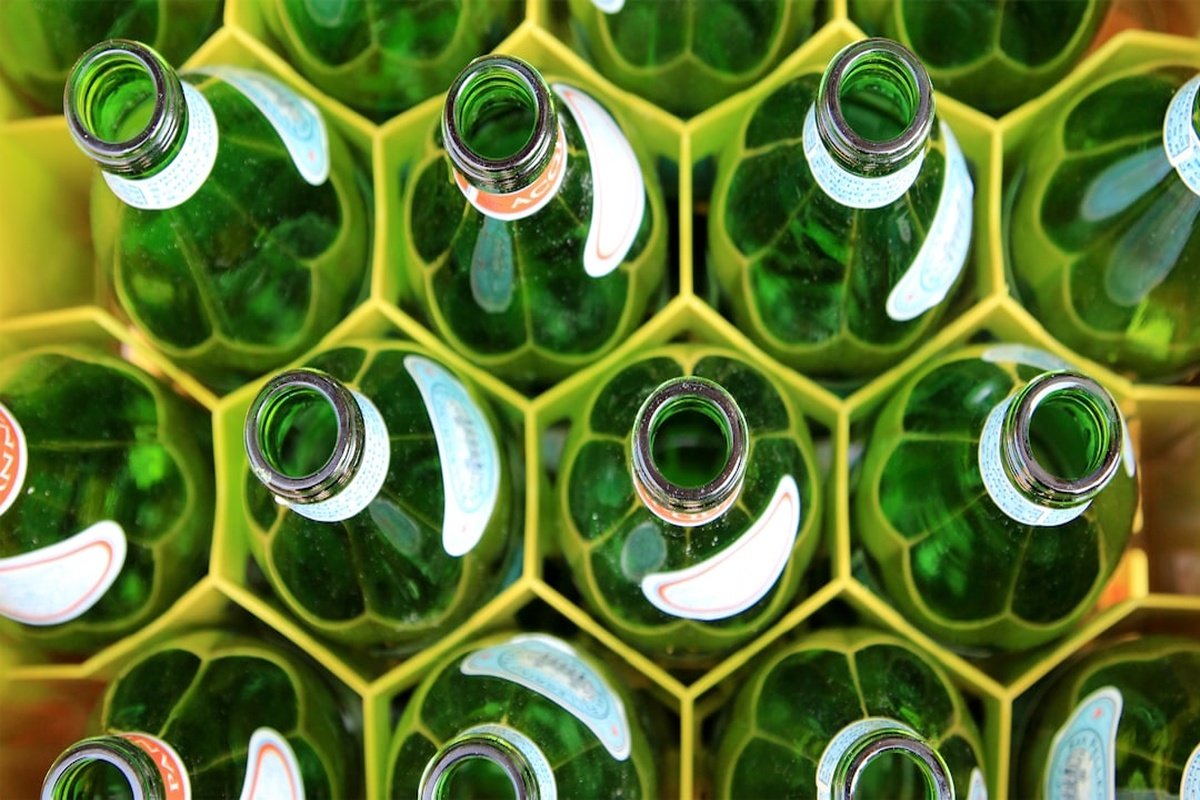
Once clean, check your local council guidelines before disposing of the bottle. Some UK authorities collect glass kerbside as part of their regular recycling rounds, while others require you to drop glass off at a dedicated bottle bank. Neither option is particularly inconvenient — it’s simply worth knowing which applies to your area to avoid contaminating other recycling streams.
Cardboard Carton Disposal Done Right
Cardboard cartons from CBD products are equally recyclable, provided you follow a few straightforward steps. Flatten the carton fully before placing it in your paper and card recycling bin — this saves space and speeds up processing at the recycling facility. Crucially, remove any plastic inserts, windows, or inner trays first, as these cannot go in with the cardboard.
It’s also worth checking that the carton is complimentary from grease or residue. Clean, dry cardboard recycles beautifully. As for HDPE plastic bottles (commonly used for CBD capsules), look for the recycling symbol marked with the number 2 — these are widely accepted in UK kerbside collections. PET plastic (number 1) is similarly well-supported, while plastics numbered 3 through 7 vary considerably by local authority, so always verify before assuming they’re accepted.
What Cannot Be Recycled — and What to Do
Knowing how to recycle CBD packaging responsibly is only half the story. Understanding what simply cannot go into your kerbside recycling bin is equally important — and, honestly, this is where many well-intentioned people come unstuck.
Flexible Pouches and Foil Seals
Flexible multi-layer plastic pouches — the kind commonly used for CBD gummies, powders, and loose-leaf blends — are generally not accepted by standard UK kerbside recycling services. These pouches are constructed from several bonded materials fused together, making separation at sorting facilities practically impossible. The same applies to foil-lined sachets, laminated labels peeled from glass bottles, and rubber dropper bulbs. Unless your local council explicitly states otherwise, all of these belong in your general waste bin.
One point worth clarifying: packaging labelled as “natural” refers to the product contents inside — not the container itself. Composting CBD packaging is not appropriate, regardless of what the label suggests.
Alternatives: TerraCycle and In-Store Return Schemes
TerraCycle operates dedicated collection programmes specifically designed for hard-to-recycle materials. Some UK wellness retailers participate in drop-off schemes that accept flexible pouches and laminated packaging — it is well worth exploring whether a participating location exists near you before simply discarding these items.
If you have accumulated several empty glass CBD oil bottles, consider repurposing them for home storage — oils, seeds, spices, and small craft supplies all fit neatly inside. This zero-waste approach extends the useful life of quality packaging significantly, reducing the demand for new materials altogether.
Choosing Eco-Friendly CBD Packaging
Sustainability is no longer a niche concern — it sits at the heart of conscious consumer choices across every sector, including wellness. When you recycle CBD packaging or actively seek out products designed with the environment in mind, you’re doing far more than reducing landfill waste. You’re sending a clear, commercial signal to brands that responsible practices genuinely matter.
What to Look for on Product Labels
Knowing what to look for makes all the difference. Start by checking for the Möbius loop — the universally recognised recycling symbol — alongside specific resin identification codes, which indicate the type of plastic used and whether your local facility can process it. Beyond plastics, look for FSC-certified cardboard (the Forest Stewardship Council mark confirms responsibly sourced paper), recycled glass bottles, and packaging printed with biodegradable inks. These small details, easy to overlook, collectively reflect a brand’s genuine environmental commitment.
Fewer packaging layers is another practical indicator worth noting. A CBD oil presented in a glass bottle with a simple cardboard sleeve, rather than a multi-layer box with plastic inserts, demonstrates that a brand has actively worked to reduce unnecessary waste — and that’s worth recognising.

How CBD Brands Are Responding to Sustainability
Encouragingly, the UK wellness sector is beginning to embrace refillable and returnable packaging schemes — an exciting development that mirrors wider progress seen in beauty and food industries. Forward-thinking CBD brands are rethinking materials, reducing excess packaging, and exploring circular solutions that keep resources in use for longer. Your purchasing choices actively shape this progress. Every sustainably packaged product you choose reinforces the message that the entire industry must continue to improve.
Safe Shopping Checks for Recycling CBD Product Packaging
CBD Armour content is consumer product guidance, not personal advice. If you are pregnant, breastfeeding, taking regular products from a pharmacy, or managing a wellbeing concern, speak with a qualified professional before using CBD products.
- Check that the product has a current lab report or certificate of analysis.
- Confirm the label explains CBD strength, ingredients, allergens, and suggested serving information clearly.
- Review THC and controlled-cannabinoid compliance information before buying.
- Prefer products linked to responsible UK novel-food and quality-control processes.
Related CBD Armour Guides
- https://cbdarmour.co.uk/cbd-packaging-uk/
- https://cbdarmour.co.uk/shop/
- CBD Armour home
- CBD oil product range
- CBD for beginners UK checklist
- CBD oil flavours and carrier guide
Useful UK CBD References
- FSA novel foods information
- FSA CBD product register
- ACMD consumer CBD products advice
- FSA regulated products guidance
Frequently Asked Questions
Can I recycle my CBD oil glass bottle in the UK?
Yes — glass CBD bottles are widely recyclable across the UK. Rinse the bottle thoroughly to remove any residual oil, detach the dropper assembly (the rubber bulb and metal collar belong in general waste), then place the clean glass in your kerbside glass collection or nearest bottle bank. Always check with your local council, as collection methods vary by area.
Are CBD gummy pouches recyclable?
Most CBD gummy pouches are constructed from multi-layer flexible plastics, which are not accepted in standard UK kerbside recycling. Unless your local authority or a specialist scheme such as TerraCycle operates a dedicated flexible plastics collection nearby, these pouches should go into general waste.
How should I prepare CBD packaging before recycling it?
Always rinse containers to remove product residue first, as contamination can cause entire batches of recycling to be rejected. Separate mixed-material components such as dropper pipettes, remove any plastic windows or foil liners from cardboard cartons, flatten boxes, and cross-reference each material type against your local council’s accepted materials list before placing anything in the recycling bin.
Do CBD brands option packaging take-back schemes?
A growing number of UK wellness brands are introducing take-back or return schemes, particularly for glass bottles and outer cartons. Some partner with TerraCycle to provide drop-off points for hard-to-recycle materials. It is worth checking directly with your chosen CBD brand to see whether any such initiatives are currently available.
Making Every Choice Count
Recycling CBD packaging does not have to be complicated. With a little preparation — rinsing containers, separating materials, and checking your local council guidelines — you can ensure far more of your packaging finds the right recycling pathway. For those trickier items like flexible pouches and foil seals, specialist schemes such as TerraCycle offer a practical alternative. And when it comes to purchasing decisions, choosing products with minimal, clearly labelled, and sustainably sourced packaging is one of the most meaningful steps a conscious consumer can take.
At CBD Armour, we believe that caring for your own wellness and caring for the planet go hand in hand. Explore our range of CBD wellness products and discover how we approach responsible packaging — because every choice you make, from the product you select to the bin it ends up in, is part of a bigger picture worth getting right.