
Cart 0
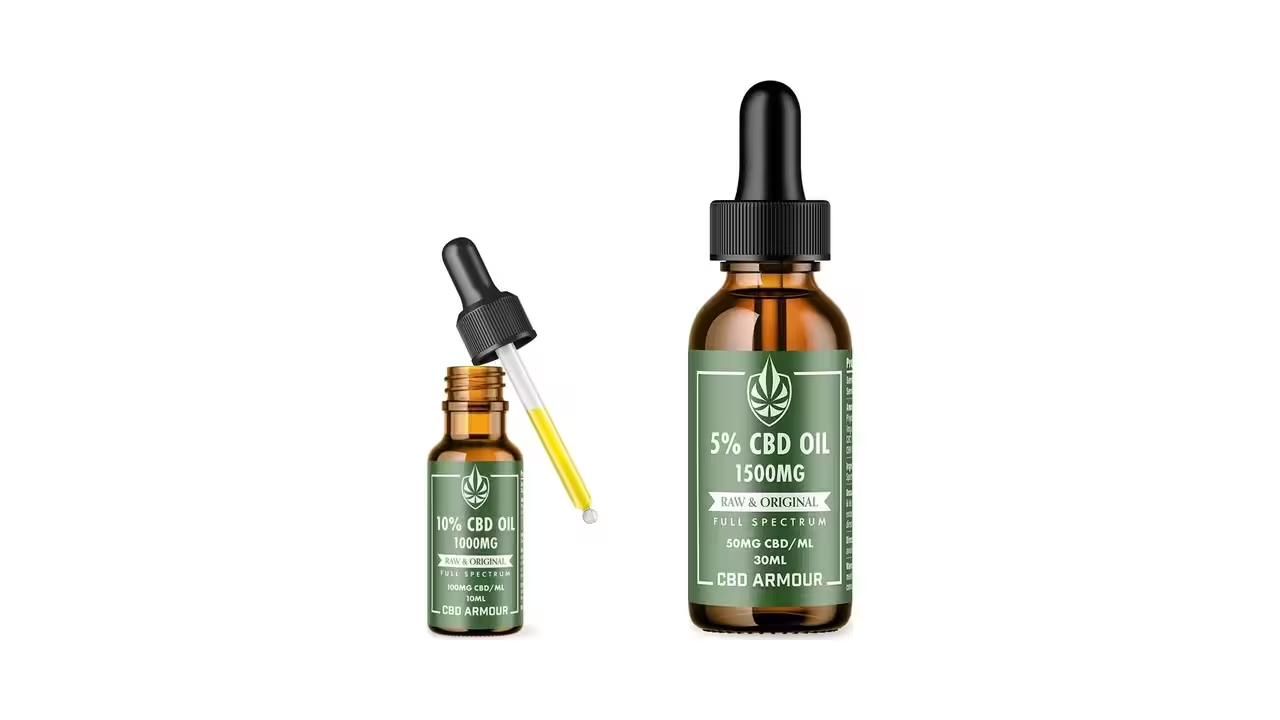

Cannabinoid oil vs hemp oil is a labelling question before it’s anything else. A CBD (cannabinoid) oil is a hemp extract in a carrier oil, sold with the amount of CBD stated in mg. Hemp oil, usually called hemp seed oil, is pressed from the seeds of the same plant and is sold as a culinary oil or a cosmetic ingredient. This guide explains where each comes from, what’s in it and how to read the label, so you know which one you’re buying. It’s product information, not medical advice. If it’s a CBD product you’re after, you can compare our CBD oils by strength, carrier and batch report.
CBD oil vs hemp oil: where each one comes from
CBD oil
CBD oil (cannabidiol oil) starts with an extract taken from the flowers and leaves of the hemp plant. That extract contains cannabidiol (CBD) and, depending on how it’s processed, other cannabinoids from the plant. The extract is then mixed into a carrier oil, such as hemp seed oil or MCT oil, and bottled with a dropper. The label states how much CBD is in the bottle.
Hemp seed oil
Hemp seed oil is cold-pressed from hemp seeds. It isn’t an extract of the flowers or leaves, and it isn’t sold for its cannabinoid content. You’ll find it in the cooking-oil aisle, in some food products and in the ingredient lists of some cosmetics. On shop shelves and online it’s often shortened to “hemp oil”, which is where most of the confusion starts.
Cannabidiol vs hemp oil: what’s in each
The two oils are described by different things on the label, because they’re made of different things.
- CBD oil: a hemp extract containing CBD, in a carrier oil. A full spectrum extract keeps a range of the plant’s cannabinoids and may contain trace THC. A broad spectrum extract also contains a range of cannabinoids. In either case, check the batch report for the full cannabinoid results.
- Hemp seed oil: mainly fatty acids, including omega-3 and omega-6, because it’s pressed from the seed. It’s labelled like other seed oils, by its ingredients and nutrition information rather than by a CBD amount.
That’s a statement about composition only. A fatty-acid profile or a cannabinoid content on a label isn’t a promise about what an oil does.
Uses of CBD oil vs hemp oil
- CBD oil is sold in the UK as a food supplement for adults, taken by mouth as the label directs. Follow the serving information on your bottle rather than estimating it.
- Hemp seed oil is used as a culinary oil, for example in dressings, and as an ingredient in some cosmetics.
Because the uses differ, the labels differ too. A CBD oil should show the CBD content, the serving information and a batch number. A bottle of hemp seed oil normally reads like any other food oil.
The difference between hemp oil and cannabidiol: a quick table
| Aspect | CBD oil | Hemp seed oil |
|---|---|---|
| Source | An extract from the flowers and leaves of the hemp plant, in a carrier oil | Cold-pressed from hemp seeds |
| Cannabinoids | Contains CBD, stated in mg on the label; check the batch report for the full cannabinoid results | Not sold for its cannabinoid content; check the label |
| Usage | Food supplement for adults, taken by mouth as the label directs | Culinary oil and cosmetic ingredient |
| Market labelling | Sold as “CBD oil”, “CBD drops” or “CBD tincture”, with the CBD amount | Sold as “hemp seed oil”, sometimes shortened to “hemp oil” |
Why people confuse cannabidiol hemp oil and hemp seed oil
Some sellers use “hemp oil” for both products, and “cannabidiol hemp oil” is a common search for either. The name on the front of a bottle doesn’t settle it. Read the back of the pack instead.
- The name in full. “Hemp seed oil” describes a seed oil. “CBD oil” or “cannabidiol oil” describes an extract product. A bottle that only says “hemp oil” needs a closer look.
- The CBD amount. A CBD oil states the total mg of CBD in the bottle, and often a percentage. Our Raw & Original 5% oil, for example, contains 500mg of CBD in a 10ml bottle. No mg figure for CBD usually means you’re looking at a seed oil.
- The spectrum. CBD oils say whether the extract is full spectrum or broad spectrum. Seed oils don’t.
- The batch number. A CBD oil should carry a batch number you can match to a certificate of analysis (COA).
Reading a batch lab report
A COA shows what was measured in a sample from one batch, usually CBD and other cannabinoids. Each of our oil reports covers a single batch, and the results were obtained by an in-house validated method, as the report itself states. Match the batch number on your bottle to the report, and check the analysis date. You can find our batch lab reports in one place, or request the report that matches your pack. A COA is a quality document. It doesn’t tell you anything about effects.
Where you’ll find hemp seed oil
Hemp seed oil appears in some cosmetics and food products as an ingredient. It’s also used as a carrier oil for CBD extracts. CBD Armour uses hemp seed oil as the carrier in its Raw & Original oils: you can see the hemp seed oil carrier in the ingredients of our Raw & Original 5% oil, listed as raw hemp seed oil with a hemp-derived full spectrum CBD oil extract. Our Cool & Fresh oils use MCT oil as the carrier, with peppermint flavouring.
So a bottle can contain hemp seed oil and still be a CBD oil. What makes it a CBD product is the added extract and the stated CBD amount, not the carrier.
How to choose between CBD oil vs hemp oil
Choose by what you’re buying, not by what you hope it will do.
- Buying a cannabinoid product? Look for a CBD oil with the CBD amount in mg, the spectrum, the carrier oil, the serving information and a batch number you can match to a report.
- Buying a seed oil for the kitchen? Look for hemp seed oil sold as a food oil, and read it like any other cooking oil.
- Not sure which one a bottle is? Ask the seller before you buy.
The Food Standards Agency advises healthy adults to limit CBD consumption to no more than 10mg a day. Follow the serving information on your label. If you’re pregnant, breastfeeding, taking medicines or have a medical condition, speak to a pharmacist or doctor before using a CBD product. Food supplement for adults. Not a medicine.
CBD oil vs hemp oil: questions
Is hemp oil the same as CBD oil?
Not usually. Hemp seed oil is cold-pressed from the seeds and sold as a food oil or cosmetic ingredient. CBD oil is a hemp extract containing CBD, mixed into a carrier oil and labelled with its CBD amount in mg. Some sellers call both “hemp oil”, so check the full name, the CBD amount and the batch number on the pack.
Does hemp seed oil contain CBD?
Hemp seed oil is pressed from the seeds, not extracted from the flowers and leaves, and it isn’t sold as a CBD product. Don’t assume either way from the name. If a product contains CBD, its label should state the amount in mg, and its batch lab report should show the cannabinoid results for that batch.
Is CBD oil legal in the UK?
CBD products that meet UK rules can be sold as food supplements for adults. The rules cover what the product contains and how it’s sold, and they’re not the same as the rules for cannabis. For the detail, read our guide: Is CBD legal in the UK? It’s general information, not legal advice.
Will CBD oil make me high?
This question comes up often, and the answer depends on what’s in the product. Our guide Does CBD make you high? explains how CBD and THC differ and what UK labels tell you. For any oil, check the batch report for the full cannabinoid results, and follow the label.
Comparing CBD oils
If you’re looking for a CBD product rather than a seed oil, you can compare strengths, carriers and batch reports across our CBD oils: Raw & Original and Cool & Fresh, from £27. Check the batch lab report and the label before you buy.