
Cart 0
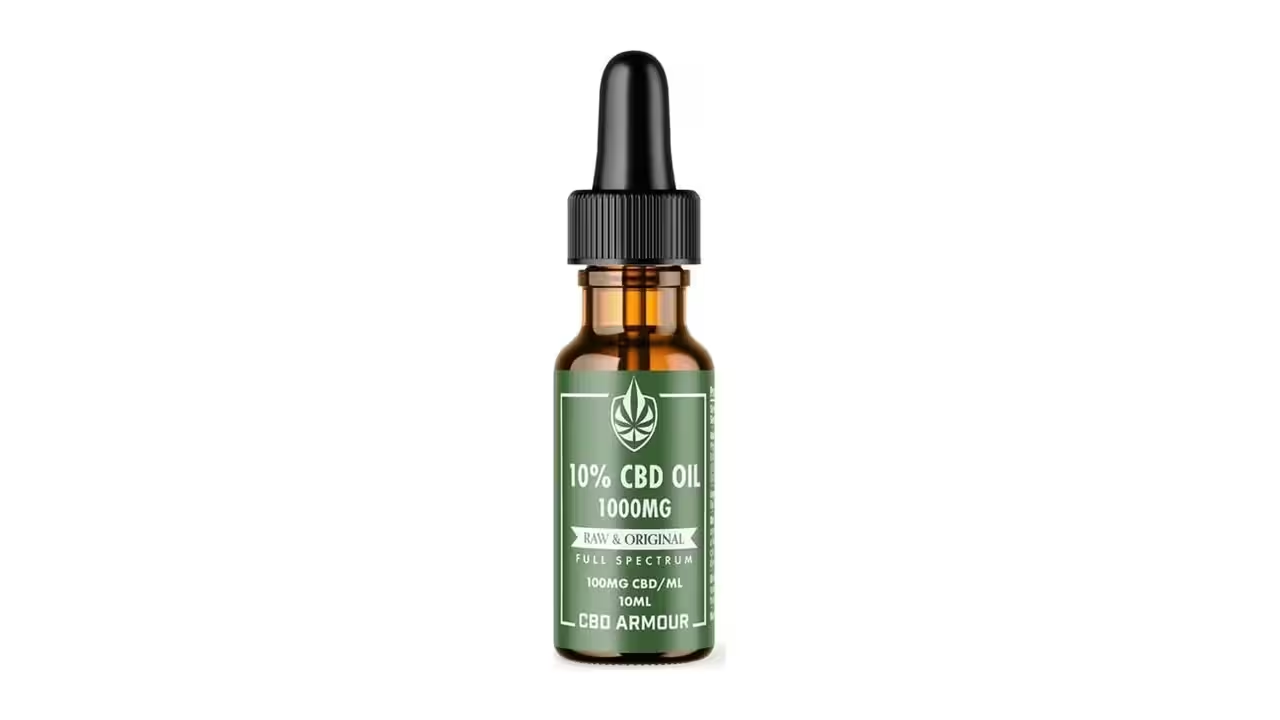

CBD products in the UK are sold as food supplements or cosmetics, not medicines, so they can’t be sold to treat or prevent migraine. This guide explains what UK rules allow sellers to say, what research has and hasn’t found, the FSA’s daily-intake advice, how to check a label and batch report, and when to speak to a GP or pharmacist.
What are CBD sellers allowed to say about migraine in the UK?
Very little. A CBD oil you swallow counts as a food supplement here, and UK law keeps food and medicine apart. No product can be sold to treat or prevent a disease or medical condition, migraine included, unless it holds a medicines licence from the MHRA. No CBD food supplement holds one.
Advertising rules point the same way. Under ASA and CAP rules, CBD food supplements can’t carry medical or health claims, so a UK seller shouldn’t link a CBD product to migraine symptoms in its marketing at all.
Selling CBD is legal in the UK when the product meets the rules on controlled cannabinoids. For the detail, read Is CBD legal in the UK?
CBD food products in Great Britain go through the FSA’s novel-food process. A listing or a “validated” status is a step in that process, not full authorisation or FSA approval. The government’s CBD guidance on GOV.UK and the FSA’s CBD business guidance set out the official position.
What does research say about CBD and migraine?
Research into CBD and migraine is limited. Most published work is small, early-stage or not specific to CBD on its own, and it doesn’t establish any role for CBD products in managing migraine. Studies often look at cannabis products containing several cannabinoids, so their findings can’t be read across to a CBD oil bought in a shop.
Each trial also tests a particular formulation on a particular group over a fixed period. A news story or a personal account can’t tell you what a different product would do, and it isn’t a reason to change how a migraine is managed.
How much CBD is it safe to take?
The Food Standards Agency advises healthy adults to limit CBD consumption to no more than 10mg a day. It isn’t suitable during pregnancy or breastfeeding, or for anyone under 18. Beyond that, follow the label on the product you have. This page gives no amounts or timings for migraine or any other condition. Our CBD dosage guide explains how serving information is printed on a pack.
How do I check a CBD label and batch report?
A CBD oil label should let you check what’s in the bottle before you buy. Look at the total CBD content and the concentration, then the spectrum (full, broad or isolate) and the carrier oil. Read the ingredients and allergen information in full, especially if there’s anything you need to avoid, such as nuts or a particular flavouring.
Next, look up the bottle’s batch number on our lab reports page and open the report for that batch. Each report gives the batch number, its production and analysis dates, and a note that testing used an in-house validated method. Last, check the seal: all our products ship with a tamper and hygiene seal, so don’t use one that arrives with it broken.
Can CBD interact with migraine medicines?
CBD can interact with some medicines. If you take any prescribed or over-the-counter medicine, for migraine or anything else, ask a pharmacist or GP before using a CBD product. Don’t stop or change a prescribed medicine because of something you’ve read about CBD. Bring the product’s label with you so the pharmacist can see exactly what it contains.
When should I speak to a GP or pharmacist about migraine?
The NHS advises seeing a GP if your migraine attacks are severe, frequent or getting worse, and getting urgent help for certain sudden or severe symptoms. The full list of warning signs is on the NHS: Migraine page. A pharmacist is a good first contact for questions about products and medicines you already take.
How can I spot a misleading CBD claim?
Any UK listing that links a CBD product to migraine should make you cautious, because the rules above mean an honest seller can’t make that link. Before you trust a product page, an advert or a social post, check it for the warning signs below. Each one explains why the wording is a problem:
- Wording that presents CBD as a medicine for a condition. Only licensed medicines can be sold that way under MHRA rules.
- “Clinically proven”. No CBD food supplement has trial evidence that would allow this, and the ASA regards it as a health claim.
- Before-and-after stories about symptoms. When a seller uses customer stories in its marketing, the ASA regards them as the seller’s own claims, so the same rules apply.
- “For migraine” product pages built around price promotions. They pair a medical topic with sales pressure, and the medical claim isn’t allowed at any price.
- Tables of amounts to take for a condition. That’s medical advice, and no CBD supplement is authorised for it.
Can CBD help with migraines?
Can CBD help with migraines?
CBD products in the UK are food supplements, not medicines, and can’t be sold to treat or prevent migraine or headaches. Research is limited. For migraine or frequent headaches, speak to your GP or pharmacist, and see the NHS migraine page.
Does CBD help with headaches?
CBD products in the UK are food supplements, not medicines, and can’t be sold to treat or prevent migraine or headaches. Research is limited. For migraine or frequent headaches, speak to your GP or pharmacist, and see the NHS migraine page.
CBD Armour sells CBD oils as food supplements for adults. They’re not sold to treat, prevent or cure any condition.