Cart 0


Table of Contents
What Is a CBD Label QR Code?
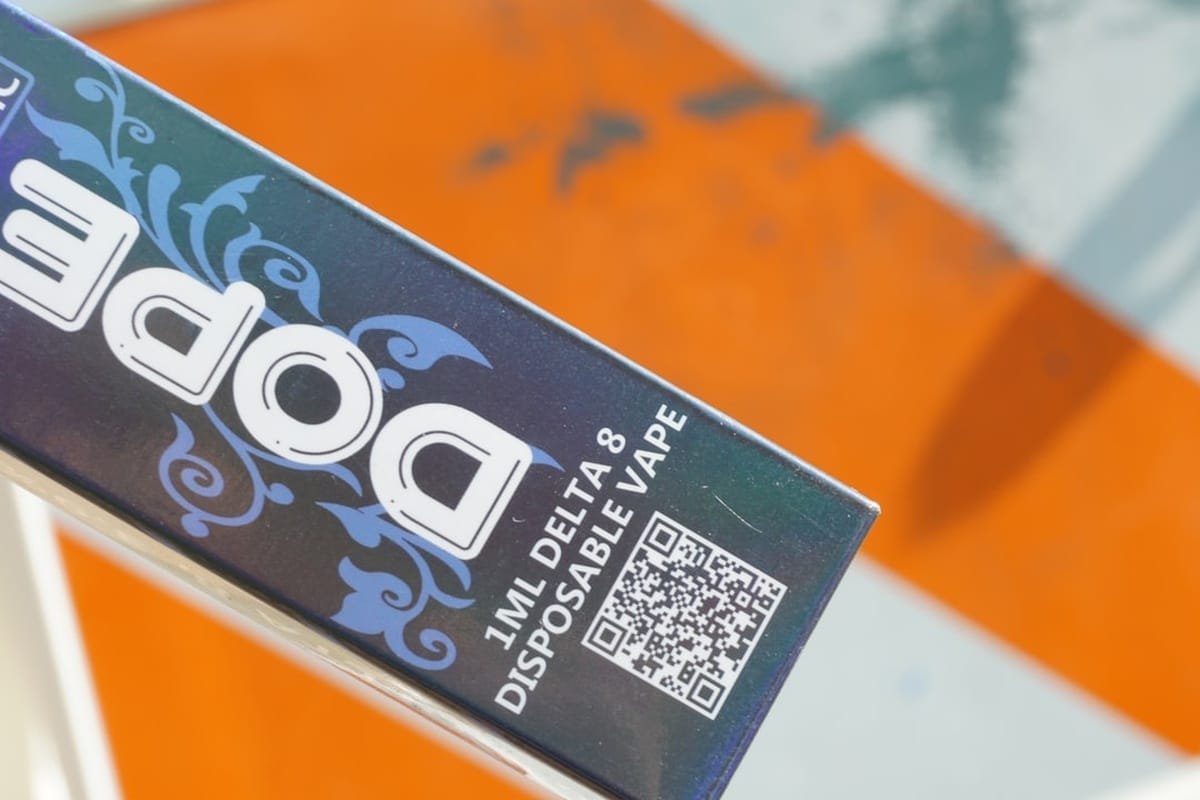
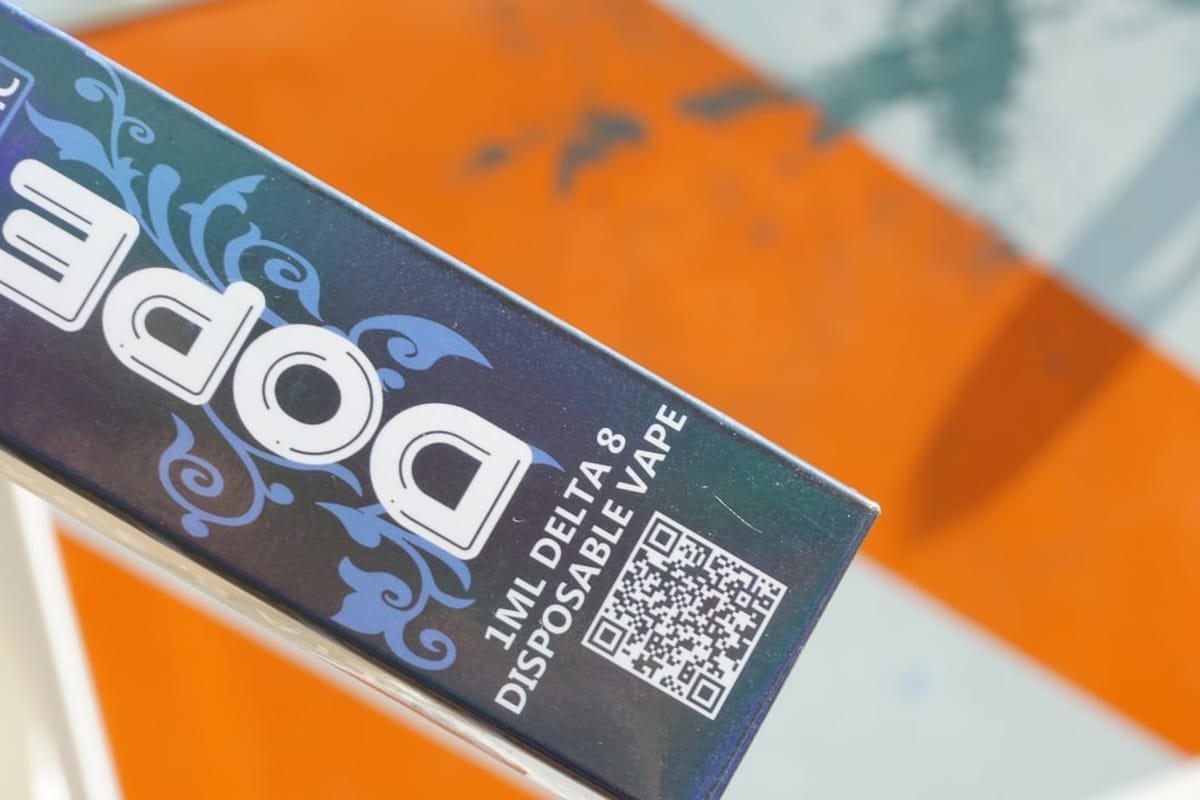
If you’ve picked up a CBD product recently and noticed a small, square pattern of dots printed on the label, you’ve already encountered a CBD label QR code. It might look like a simple graphic detail, but it’s actually one of the most practical transparency tools available to modern CBD consumers — and understanding what it does could genuinely change how you shop.
How QR Codes Work on Product Packaging
A QR code is essentially a scannable digital shortcut, embedded directly onto the product label itself. Rather than typing a lengthy web address or hunting through a brand’s website, you simply open your smartphone camera, point it at the code, and tap the link that appears on screen. No additional app is required — any standard smartphone camera available in the UK today will read a QR code instantly. It’s a remarkably frictionless experience, taking just a few seconds from scan to information.

What Information They Typically Link To
Here’s where things get genuinely interesting. A well-implemented CBD label QR code connects you directly to batch-specific laboratory reports, Certificates of Analysis (CoAs), or dedicated brand transparency pages — all tailored to the exact product in your hand. This means you can verify cannabinoid content, check for unwanted substances, and review third-party testing results without any guesswork involved.
Crucially, not every CBD brand uses QR codes. Their presence on packaging is a meaningful signal — it suggests a brand is genuinely committed to openness rather than simply making claims on a label. For UK consumers navigating an increasingly crowded wellness market, that small square graphic represents something far larger: accountability you can actually verify.
CBD QR Lab Reports: What You’re Seeing
Understanding the Certificate of Analysis (COA)
When you scan a CBD label QR code, the document you’re most likely to land on is called a Certificate of Analysis, or COA. This is a formal report produced by an independent, accredited third-party laboratory — meaning it comes from an organisation with no commercial stake in the product’s results. That independence matters enormously. It’s what separates a genuinely transparent brand from one simply making claims on a label with nothing to back them up.
Think of a COA as the product’s official record of truth. It confirms precisely what’s inside the bottle, capsule, or gummy — and just as importantly, what isn’t there. Reputable labs test for a full spectrum of potential contaminants, including heavy metals, pesticides, and residual solvents. These screening results sit alongside the cannabinoid data, giving you a genuinely complete picture of product quality.

Key Data Points on a Lab Report
Knowing where to look on a COA transforms it from an intimidating wall of numbers into something genuinely useful. The cannabinoid panel will clearly state CBD and THC levels — always check that THC remains within UK legal limits. Beyond that, cross-reference one critical detail: the batch number printed on your product label should match the batch number on the linked lab report exactly. A mismatch is a significant red flag worth investigating.
Understanding each section of a COA empowers you to make far more informed wellness choices — and that, ultimately, is the whole point.
Why Transparency Technology Matters
Consumer Trust in the UK CBD Market
Here’s the thing about the UK CBD market — it operates in a largely self-regulated environment, which means the responsibility of verification often falls directly on the consumer. Without a centralised body mandating strict labelling standards across every brand, the risk of encountering mislabelled or inaccurately described products remains a genuine concern. Research has consistently highlighted significant variation in CBD product labelling accuracy across the industry, with some products containing notably different cannabidiol concentrations than those stated on the packaging.
This is precisely why independent verification has become so essential. Consumer groups and regulators alike are increasingly recognising lab-linked labels as a good-practice standard — a benchmark that separates accountable brands from those cutting corners on quality. For anyone new to CBD wellness, navigating this landscape without reliable information can feel overwhelming. Transparency technology effectively levels the playing field, giving every consumer — regardless of experience — equal access to the facts they need.
How QR Codes Support Informed Wellness Choices
A CBD label QR code does something remarkably simple yet genuinely powerful: it connects the product in your hand directly to independently verified laboratory documentation. Scan it, and you can review third-party Certificates of Analysis confirming cannabinoid content, purity, and the absence of unwanted contaminants — all before committing to a wellness routine.
Brands that invest in QR-linked documentation are making a clear statement about their commitment to accountability and quality. It signals that they welcome scrutiny rather than avoiding it. For consumers building a mindful, informed approach to CBD wellness, that kind of openness isn’t just reassuring — it’s essential.
How to Use a CBD Label QR Code
That small, pixelated square printed on your CBD product isn’t just decorative — it’s your direct line to the laboratory data behind what you’re putting into your body. Knowing how to use a CBD label QR code properly means you can make genuinely informed choices about your wellness routine, rather than simply taking a brand’s word for it.
Step-by-Step: Scanning and Reading Your Results
The process is far simpler than most people expect. Open your smartphone’s native camera app and point it steadily at the QR code on the label — no separate scanning app is required on most modern iOS or Android devices. A notification or link will appear; tap it to open the associated lab report.
Once the document loads, your first job is to cross-reference the batch number. The number printed on your product label should match exactly what appears on the linked certificate of analysis. If they differ, the report you’re viewing may not correspond to the product in your hands. Next, check who conducted the testing. An accredited, independent laboratory — one with no commercial ties to the brand — is a strong indicator of reliable, unbiased results.
From there, confirm that the CBD content falls within the range stated on the packaging, and review the reported controlled-cannabinoid results and the seller’s compliance information. Do not treat 0.2% as a blanket legal threshold for a finished CBD product.
Red Flags to Watch for in Lab Reports
Not every QR code leads somewhere trustworthy. Be cautious if scanning takes you to a broken link, a generic brand homepage, or a document with no date stamp — any of these suggest the transparency you’re entitled to simply isn’t there. Undated reports are particularly concerning, since they offers no assurance the data reflects the current batch. Reputable brands refresh their certificates regularly and ensure every scan connects directly to a current, verifiable document. If something feels off, trust that instinct.
Safe Shopping Checks for QR Codes on CBD Labels and Lab Reports
This is general consumer information, not medical advice. The FSA advises healthy adults not to exceed 10 mg of CBD per day and advises under-18s, people taking medication, and those who are pregnant, breastfeeding or trying to conceive to avoid CBD unless under medical direction.
- Check that the product has a current lab report or certificate of analysis.
- Confirm the label explains CBD strength, ingredients, allergens, and suggested serving information clearly.
- Review THC and controlled-cannabinoid compliance information before buying.
- Prefer products linked to responsible UK novel-food and quality-control processes.
Related CBD Armour Guides
- https://cbdarmour.co.uk/lab-reports/
- https://cbdarmour.co.uk/cbd-product-labels-uk/
- CBD Armour home
- CBD oil product range
- CBD for beginners UK checklist
- CBD oil flavours and carrier guide
Useful UK CBD References
- FSA novel foods information
- FSA CBD product register
- ACMD consumer CBD products advice
- FSA regulated products guidance
Frequently Asked Questions
What does a CBD label QR code actually link to?
Most CBD label QR codes link directly to a certificate of analysis (COA) — a third-party lab report confirming the product’s cannabinoid content, purity, and safety screening results for that specific batch. It’s essentially your direct window into the product’s verified quality credentials.
How do I know if a CBD lab report is genuine?
A genuine CBD lab report will originate from an accredited, independent laboratory and display a batch number that matches your product label. It should also include a clearly stated test date alongside results covering cannabinoid content and contaminant screening — all key markers of authenticity.
Is it a legal requirement for UK CBD products to have QR codes?
Currently, QR codes are not a legal requirement for UK CBD labels, though they are widely regarded as a good-practice standard across the industry. Their presence signals a brand’s genuine commitment to transparency and gives consumers greater confidence in what they’re purchasing.
What should I do if a CBD QR code doesn’t work?
If a QR code leads to a broken link or an outdated page, contact the brand directly to request the relevant certificate of analysis. Reputable brands will provide this documentation promptly — and any reluctance to do so is worth noting when assessing a product’s overall trustworthiness.
Making Informed Wellness Choices Starts With a Simple Scan
A CBD label QR code is one of the most powerful tools available to UK consumers seeking genuine transparency. With a single scan, you gain direct access to batch-specific lab reports confirming cannabinoid content and product purity — no guesswork required. Understanding how to read a certificate of analysis transforms you from a passive buyer into a genuinely informed wellness shopper. Brands that provide QR-linked documentation demonstrate a higher standard of accountability, and that commitment matters.
Your wellness journey deserves that level of confidence at every step.
Explore CBD Armour’s full product range — every product comes with accessible, third-party lab documentation so you can shop with complete confidence in your wellness journey.