
Cart 0
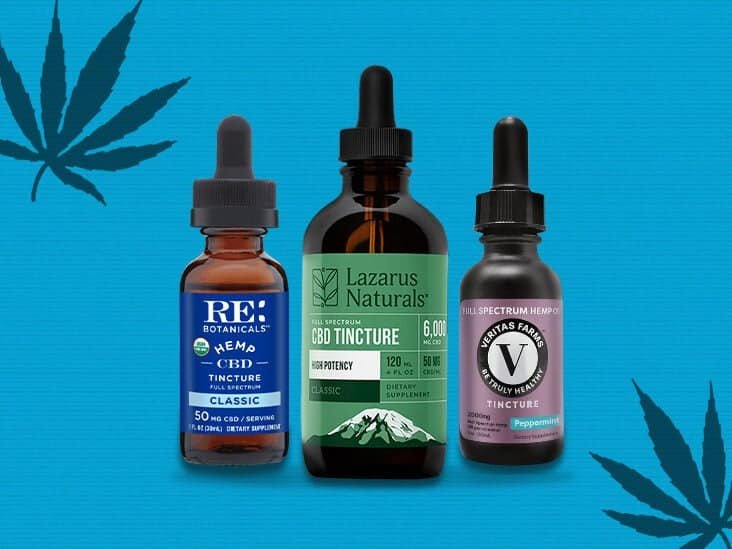

People search for CBD for IBS when they want to understand how the topic is discussed in the UK: what published research can show, how UK law treats retail CBD, and what a product label actually tells you. This article is a research, law and labels guide. It is not medical advice and it is not a treatment guide.
Our CBD products are food supplements and cosmetics, not medicines, and are not intended to diagnose, treat, cure or prevent any disease.
What this article covers (and what it does not)
This page looks at CBD for IBS as a search topic, not as a promise. It covers, in general terms, the limits of published research, the way UK rules treat retail CBD products, and the facts to check on a label. It does not claim that CBD eases, relieves, treats, reduces or helps IBS, diarrhoea or any other symptom. It does not rank products, recommend a product for IBS, or give a dose.
What published research can and cannot tell a UK reader
Some laboratory and clinical work has looked at cannabinoids and the gut. Findings in that literature are limited. Studies are often small, they may use a specific preparation rather than a finished product on a UK shelf, and they cannot be turned into a claim about a bottle, capsule or cosmetic you can buy today. A result for one formulation does not establish what a different product will do.
UK advertising rules do not allow unlicensed CBD products to be presented as a treatment for IBS or any other disease. This article does not name individual papers or invent study results. Anyone weighing research should read primary sources and current regulator guidance, not a product page or a blog summary.
UK law: food supplements and cosmetics, not medicines
In the UK, most CBD oils, capsules and similar products sold to the public are food supplements. Creams, soaps and other external products are cosmetics. Neither category is a medicine. A product can be sold only if it stays within the rules for that category, including the advertising rules that sit with the ASA and CAP.
The Food Standards Agency advises healthy adults to limit CBD consumption to no more than 10mg a day.
The FSA also publishes consumer advice on CBD, including precautions for people taking medicines and groups who should avoid CBD. Read that advice before considering an oral product. This page does not add a serving protocol.
How to read a CBD product label
If you compare products, the label and the directions are the facts to check — not a blog headline or a search phrase. Look for:
- whether the product is sold as a food supplement or as a cosmetic;
- the amount of CBD stated per serving or per pack, and whether that figure is CBD or a broader hemp extract;
- the full ingredient list;
- directions for use, storage, and any warnings on the pack;
- a batch or lot reference, and whether a report for that batch is available.
A percentage or a milligram number is not a treatment plan. Oils, capsules and other food-supplement formats should be read against the pack, not against a condition name in a search query.
If you are comparing products in the UK
If you want to see the oils we sell, browse the CBD oil range. Each product page lists ingredients and directions. That range is not an IBS product landing, and no product there is offered as a treatment for IBS.